Road Salt and Ceramic Coatings: A Winter Survival Guide for Commerce City, CO
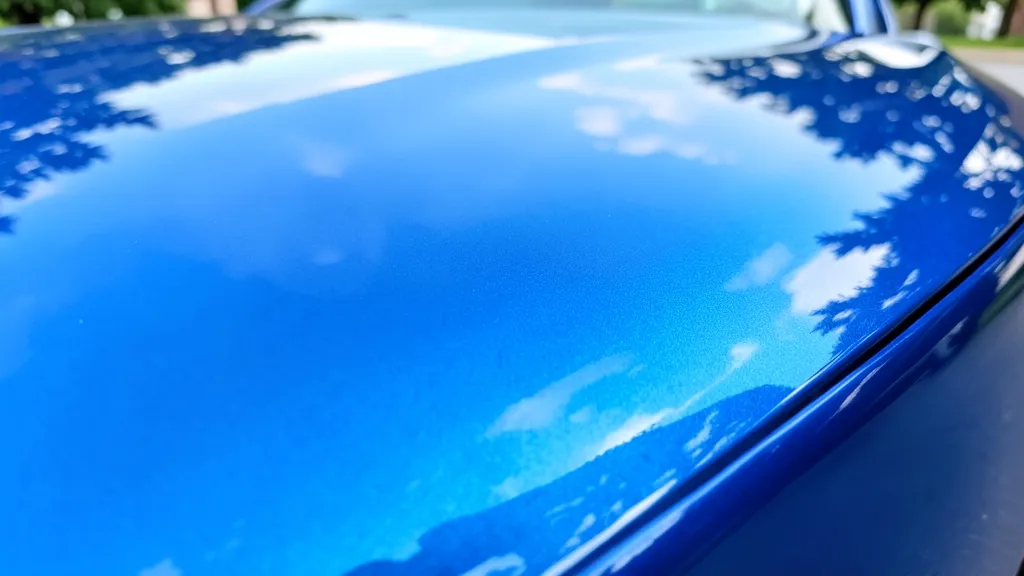
Colorado winters bring more than snow—they dump tons of road salt that eats away at your vehicle’s finish. We’ve seen firsthand how ceramic coatings create a sacrificial barrier that laughs at salt, slush, and subzero temps. Here’s how to keep your ride protected all season long.
Why Road Salt Is Your Paint’s Worst Enemy
Magnesium chloride and sodium chloride don’t just melt ice—they cling to your paint, undercarriage, and wheel wells, accelerating corrosion and oxidation. Left unchecked, they etch clear coat and leave permanent pitting.
In Commerce City, frequent freeze-thaw cycles mean salt stays active longer, attacking surfaces even after the storm passes. Traditional waxes and sealants can’t withstand this chemical onslaught.
How Ceramic Coatings Outperform Wax Against Salt
Unlike wax, which lasts weeks, a professional ceramic coating bonds molecularly to your paint, forming a 9H-hardness shield. Its hydrophobic properties repel water, salt, and grime, preventing them from adhering long enough to cause damage.
The coating’s cross-linked polymer matrix resists chemical breakdown, so road salt can’t penetrate. Even in Thornton or Brighton’s salty conditions, your finish stays intact.
| Protection Type | Durability | Salt Resistance | Hydrophobic Effect |
|---|---|---|---|
| Ceramic Coating | 2-5+ years | High (chemical-bonded barrier) | Extreme (water beads off instantly) |
| Carnauba Wax | 4-8 weeks | Low (surface-level only) | Moderate (fades quickly in cold) |
| Synthetic Sealant | 4-6 months | Moderate (thin layer) | Good (but degrades with salt exposure) |
Pre-Winter Prep: Paint Correction Before Coating
Applying ceramic coating over swirls, scratches, or oxidized paint locks in imperfections. Our team always starts with paint correction—compounding and polishing—to restore a flawless surface before sealing it.
This step is critical in areas like Northglenn or Henderson, where sun exposure and salt combine to worsen existing damage. A smooth base ensures the coating adheres properly and lasts longer.
Schedule paint correction and coating in late fall. This gives the ceramic layer time to fully cure before the first snowfall hits Commerce City.
Ceramic Coatings and Undercarriage Protection
While ceramic coatings excel on paint, they’re not a full undercarriage solution. For wheel wells, frames, and suspension components, we recommend pairing a ceramic coating with a dedicated undercoating or paint protection film.
This combo shields against salt spray from the road, a common issue for daily drivers in Denver and its northern suburbs. PPF adds a physical barrier where coatings alone may not suffice.
Maintenance: Keeping Your Coating Salt-Ready
Ceramic coatings aren’t maintenance-free. After driving through salted roads, rinse your vehicle ASAP with a pH-neutral car shampoo. Avoid automatic car washes with harsh brushes—they can micro-scratch the coating.
For stubborn salt residue, use a dedicated ceramic-safe detailer spray. Reapply a ceramic boost spray every 3-6 months to refresh hydrophobicity, especially in harsh Commerce City winters.
Winter Ceramic Coating Care Checklist
- Rinse vehicle after every salt exposure
- Use pH-neutral shampoo for washes
- Avoid abrasive towels or brushes
- Apply ceramic boost spray mid-season
- Inspect coating for water beading consistency
Ceramic Coatings vs. Paint Protection Film for Salt
PPF offers a thicker, self-healing layer that physically blocks salt and debris. It’s ideal for high-impact areas like hoods, bumpers, and rocker panels. Ceramic coatings, however, provide full-vehicle protection with a glossier finish.
Many Commerce City drivers opt for both: PPF on vulnerable areas and ceramic coating everywhere else. This hybrid approach maximizes defense against salt, UV rays, and minor scratches.
Local Conditions That Demand Extra Protection
Commerce City’s proximity to I-25 and I-76 means heavy salt application during storms. The industrial areas near Henderson also kick up abrasive particles that accelerate wear.
Vehicles parked outdoors in Thornton or Brighton face prolonged exposure to salt-laden slush. Even garaged cars need protection—salt clings to tires and undercarriages, tracking into garages.
Never let salt sit for more than 48 hours. The longer it lingers, the higher the risk of corrosion, even under a ceramic coating.
Beyond Paint: Ceramic Coatings for Wheels and Glass
Salt doesn’t just target your paint—it corrodes wheels, brakes, and windshields. We apply ceramic coatings to wheels and brake calipers to prevent pitting and make brake dust cleanup easier.
Ceramic window tint and glass coatings improve visibility by repelling water and ice, a game-changer for early mornings in Denver’s metro area.
How to Wash Your Vehicle After Salt Exposure
Follow these steps to preserve your ceramic coating and prevent salt damage.
- 1Pre-Rinse
Use a pressure washer or hose to remove loose salt and debris. Start from the top and work downward to avoid re-depositing contaminants.
- 2Two-Bucket Wash
Fill one bucket with pH-neutral shampoo and water, the other with clean water for rinsing your mitt. This prevents swirl marks.
- 3Wash Wheels First
Use a dedicated wheel cleaner and brush to remove brake dust and salt. Wheels accumulate the most corrosive grime.
- 4Gentle Drying
Pat dry with a high-quality microfiber towel. Avoid air drying, which can leave water spots that etch into the coating over time.
- 5Inspect and Boost
Check for water beading consistency. If beading weakens, apply a ceramic boost spray to restore hydrophobicity.
Frequently Asked Questions
Can ceramic coating completely stop road salt damage in Commerce City?
Ceramic coatings drastically reduce salt damage by creating a hydrophobic, chemical-resistant barrier. However, no coating is 100% invincible—regular washing is still essential to remove salt buildup, especially in high-exposure areas like Thornton or Brighton.
How soon before winter should I get a ceramic coating applied?
Ideally, apply ceramic coating 4-6 weeks before the first snow. This allows the coating to fully cure, maximizing its resistance to salt and cold temperatures. Late fall is the sweet spot for Commerce City drivers.
Is ceramic coating worth it for older vehicles in Commerce City?
Absolutely. Older vehicles benefit from ceramic coatings by halting further paint degradation and restoring gloss. We often pair it with paint correction to address existing swirls or oxidation before sealing the surface.
Does ceramic coating protect against rust from road salt?
Ceramic coatings protect the paint surface from salt-induced corrosion and oxidation. However, for rust-prone areas like undercarriages or wheel wells, we recommend combining ceramic coatings with undercoating or PPF for full protection.
Can I apply ceramic coating myself, or should I hire a pro in Commerce City?
DIY ceramic coatings exist, but professional application ensures proper paint prep, even coverage, and optimal bonding. Mistakes in prep or application can lead to premature failure, especially in harsh Colorado winters. Our team uses commercial-grade products and techniques for lasting results.
How do I know if my ceramic coating is still protecting against salt?
Check for consistent water beading—if water no longer beads up and sheets off, the coating’s hydrophobic properties are fading. Also, inspect for salt stains or etching after exposure. If in doubt, request an inspection to assess the coating’s integrity.