Maximizing Ceramic Coating Durability for Commerce City Roads in Ceramic Coating Commerce City, CO
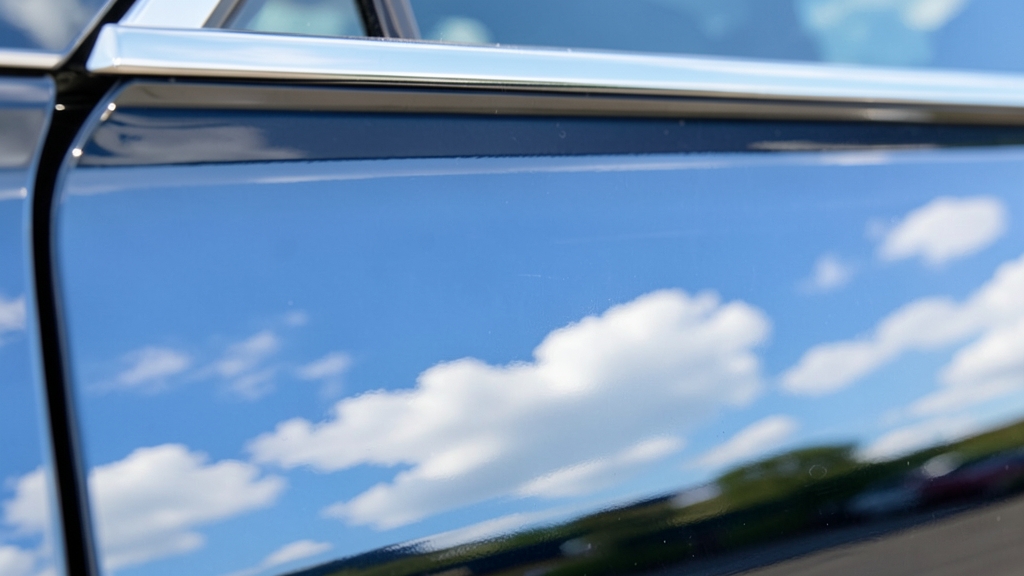
Commerce City’s mix of sun, snow, and road grime tests even the toughest automotive finishes. We’ve spent years perfecting ceramic coatings that withstand these conditions—longer. Durability starts with proper prep, the right product, and smart aftercare.
Why Commerce City’s Climate Demands More From Your Coating
Colorado’s high-altitude sun accelerates UV damage, fading paint faster than at sea level. A quality ceramic coating blocks 99% of UV rays, but only if applied correctly.
Winter brings road salt and magnesium chloride, which etch unprotected clear coats. Ceramic coatings resist these contaminants, but they’re not invincible—regular decontamination is key.
Temperature swings from 80°F days to sub-zero nights stress coatings. We use formulations tested for thermal cycling to prevent micro-cracking.
Prep Work: The Foundation of Longevity
No coating adheres well to swirl-marked or oxidized paint. We start with a thorough wash, clay bar decontamination, and often a one- or two-step paint correction to remove defects.
Even new cars often have factory marring or rail dust embedded in the clear coat. Skipping correction shortens the coating’s life and dulls its hydrophobic performance.
For heavily neglected vehicles, we may recommend a full paint correction in Thornton or Northglenn before coating. This ensures a glass-smooth surface for maximum bonding.
Over-the-counter polishes or improper machine use can burn through clear coat. Leave correction to professionals with the right tools and compounds.
Ceramic Coating vs. Paint Protection Film: What’s Best for Commerce City?
Ceramic coatings excel at UV resistance, hydrophobic properties, and ease of cleaning. They’re ideal for most daily drivers in Brighton or Henderson.
PPF offers superior impact protection against rock chips, hail, and road debris—critical for I-25 or I-76 commuters. It’s self-healing but less durable against chemicals.
Many owners combine both: PPF on high-impact areas (hood, bumper, fenders) and a ceramic coating over the entire vehicle for a layered defense.
| Feature | Ceramic Coating | Paint Protection Film (PPF) |
|---|---|---|
| UV Resistance | Excellent (99%+ block) | Good (varies by film) |
| Impact Protection | Minimal | Excellent (self-healing) |
| Hydrophobic Properties | High (water beads off) | Moderate |
| Durability | 2–5 years (with care) | 5–10 years (depends on film) |
| Maintenance | Low (wash and boosters) | Moderate (repair scratches) |
| Cost Factors | Vehicle size, prep work, coating tiers | Vehicle size, film brand, coverage areas |
Choosing the Right Coating Tier for Your Needs
Not all ceramic coatings are equal. Consumer-grade (1–2 years) work for budget-conscious owners, but we recommend professional-grade (3–5+ years) for Commerce City’s harsh conditions.
Higher-tier coatings (9H hardness or above) resist swirls better but require meticulous prep. We match the product to your driving habits, parking conditions, and long-term goals.
For fleet vehicles or commercial trucks in Denver, we often use hybrid coatings with added flexibility to prevent cracking under heavy use.
Adding a ceramic booster spray every 6–12 months refreshes hydrophobic properties and extends the base coating’s life without full reapplication.
Maintenance: The Secret to 5+ Year Performance
Wash your vehicle every 2 weeks with a pH-neutral car soap. Avoid automatic car washes with abrasive brushes—they’ll wear down the coating faster.
Use the two-bucket method (one for soap, one for rinsing) and high-quality microfiber towels to prevent swirls. Grit guards in your buckets trap dirt at the bottom.
Decontaminate quarterly with a clay bar or iron-removing spray. Commerce City’s industrial fallout and brake dust bond to surfaces over time, reducing the coating’s effectiveness.
Ceramic Coating Maintenance Essentials
- Wash with pH-neutral soap biweekly
- Use separate wash and rinse buckets
- Dry with clean microfiber towels
- Apply ceramic booster every 6–12 months
- Decontaminate with clay bar quarterly
- Park in a garage or under cover when possible
Common Mistakes That Shorten Ceramic Coating Life
Applying coating over unclean surfaces traps contaminants, leading to premature failure. We spend 40–60% of the job on prep—it’s that critical.
Using harsh degreasers or wax-based products can strip the coating’s top layer. Stick to ceramic-safe products, and avoid silicone-based dressings on exterior plastics.
Letting bird droppings, tree sap, or bug splatter sit for days etches the coating. Remove them ASAP with a quick detailer spray and microfiber cloth.
Avoid dish soap, household cleaners, or abrasive polishes. Even some ‘car care’ products contain fillers or solvents that degrade the coating over time.
Protecting Beyond the Paint: Wheels, Glass, and Interiors
Wheel ceramic coatings resist brake dust and road grime, making cleaning easier. We apply them to barrels, faces, and even brake calipers for a uniform look.
Ceramic window tint reduces heat and UV rays while adding privacy. It’s a popular add-on for drivers in Northglenn or Thornton who face long commutes in the sun.
Interior ceramic protection shields dashboards, leather, and plastics from UV fading and stains. It’s especially useful for families or pet owners in Brighton or Henderson.
When to Consider Reapplication or Touch-Ups
If water no longer beads uniformly or the surface feels rough, the coating may be degrading. This often happens after 2–3 years, depending on maintenance and exposure.
Small areas with heavy damage (e.g., rock chips) can be spot-repaired with a fresh coating. For widespread wear, a full reapplication is best after a light polish.
We offer inspections in Commerce City to assess your coating’s condition. Factors like mileage, parking habits, and washing frequency all play a role in its lifespan.
How to Wash a Ceramic-Coated Car the Right Way
Proper washing preserves your coating’s hydrophobic properties and extends its life.
- 1Rinse Thoroughly
Use a pressure washer or hose to remove loose dirt. Start from the top and work downward to avoid re-soiling cleaned areas.
- 2Pre-Soak with Foam Cannon
Apply a pH-neutral foam to lift embedded grime. Let it dwell for 2–3 minutes but don’t allow it to dry on the surface.
- 3Two-Bucket Wash
Wash one panel at a time with a microfiber mitt. Rinse the mitt in the rinse bucket (with grit guard) before reloading it with soap.
- 4Wheels and Tires First
Use a separate mitt and wheel cleaner (ceramic-safe) to avoid cross-contaminating the paint. Scrub brake dust from barrels and behind spokes.
- 5Dry with Microfiber Towels
Pat dry with plush microfiber towels or a blower to prevent water spots. Avoid letting the car air-dry in direct sunlight.
- 6Apply a Ceramic Booster (Optional)
After drying, spritz a ceramic detailer or booster spray and buff with a clean microfiber towel to refresh hydrophobicity.
Frequently Asked Questions
How long does a ceramic coating last in Commerce City’s climate?
With proper prep and maintenance, professional-grade ceramic coatings typically last 3–5 years in Commerce City. Harsh winters and intense sun can shorten this if the vehicle isn’t cared for. Request a quote to discuss options tailored to your driving habits.
Can I apply a ceramic coating myself?
DIY ceramic coatings are possible, but they rarely match professional results. Improper prep, uneven application, or low-quality products can lead to peeling, streaking, or reduced durability. We’ve seen many DIY jobs in Thornton and Northglenn require correction before a proper coating can be applied.
Does ceramic coating protect against hail or rock chips?
Ceramic coatings add a hard, protective layer but won’t stop hail dents or rock chips. For impact protection, we recommend pairing a coating with paint protection film (PPF) on high-risk areas like the hood, bumper, and fenders.
How do I remove water spots from a ceramic-coated car?
Mineral deposits from hard water can leave spots if the car dries in the sun. Use a water spot remover (ceramic-safe) or a 50/50 mix of white vinegar and distilled water. For stubborn spots, a light polish may be needed—but avoid this too often, as it thins the coating.
Is ceramic coating worth it for older cars in Denver?
Absolutely, if the paint is in good condition after correction. Ceramic coatings can rejuvenate older vehicles by restoring gloss and protecting the finish from further damage. We often combine coating with headlight restoration for a full refresh.
What’s the difference between ceramic coating and wax?
Wax provides temporary shine and protection (lasting weeks), while ceramic coatings bond chemically to the paint, offering years of UV resistance, hydrophobic properties, and durability. Wax sits on the surface; ceramic coatings become part of it.