How Hydrophobic Properties Keep Your Car Cleaner for Longer with Ceramic Coating
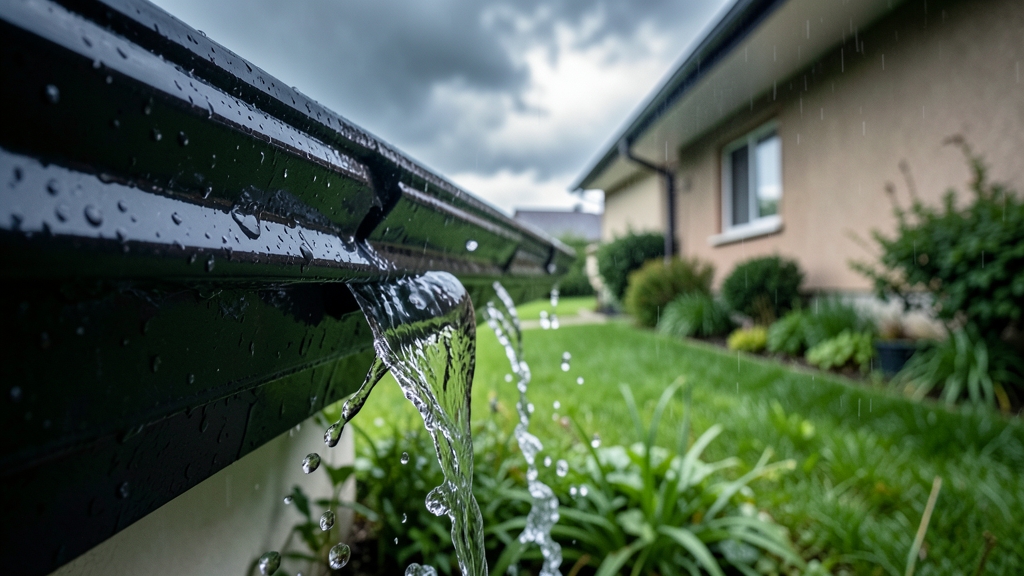
One of the most impressive features of a professional ceramic coating is its hydrophobic nature. Unlike traditional waxes or sealants, a high-quality ceramic coating creates a surface that actively repels water, making it harder for dirt, grime, and contaminants to stick. For drivers in areas like Commerce City, where road salt, dust, and unpredictable weather are constant challenges, this property isn’t just a luxury—it’s a game-changer.
What Makes a Ceramic Coating Hydrophobic?
Hydrophobicity refers to a surface’s ability to resist water. In ceramic coatings, this is achieved through the use of nano-ceramic polymers that bond with your vehicle’s paint at a molecular level. These polymers create an ultra-smooth, non-porous layer that water simply can’t penetrate.
When water hits a hydrophobic surface, it beads up and rolls off, taking dirt and pollutants with it. This self-cleaning effect means your car stays cleaner between washes, and even when it does get dirty, cleaning it becomes significantly easier.
The Self-Cleaning Effect in Action
You’ve probably seen videos of water beading dramatically on a freshly coated car. That’s hydrophobicity at work. But it’s not just about looks—this effect has real-world benefits:
- Reduced Water Spots: Because water doesn’t linger, minerals in the water (like those from Colorado’s hard water) are less likely to leave behind unsightly spots.
- Easier Washing: Dirt and mud slide off more easily, so you spend less time scrubbing and more time enjoying your car.
- Protection Against Contaminants: Bird droppings, tree sap, and road tar have a harder time adhering to the surface, reducing the risk of paint damage.
In a place where seasonal changes bring everything from summer dust storms to winter slush, these benefits add up quickly.
How Hydrophobicity Extends the Life of Your Paint
A ceramic coating doesn’t just keep your car looking clean—it also protects the paint underneath. The hydrophobic layer acts as a barrier against UV rays, oxidation, and environmental contaminants that can cause fading, dulling, or even corrosion over time.
This is especially valuable in Colorado, where high altitude means stronger UV exposure. Without protection, your car’s paint can degrade faster, leading to a lackluster appearance and reduced resale value. A ceramic coating, paired with services like paint correction and polishing, ensures your vehicle maintains its showroom shine for years.
Hydrophobic vs. Hydrophilic: Why It Matters
Some protective products claim to be “self-cleaning” but use hydrophilic (water-attracting) technology. While these can help water spread evenly to reduce spotting, they don’t offer the same level of dirt repellency as a hydrophobic coating.
With a hydrophobic ceramic coating:
- Water beads and rolls off, carrying contaminants away.
- The surface stays drier, reducing the chance for water-based stains.
- Your car looks cleaner, longer—even after driving through muddy roads or dusty areas like those around Thornton or Northglenn.
Does Hydrophobicity Last Forever?
No coating lasts indefinitely, but a professionally applied ceramic coating can maintain its hydrophobic properties for years, not months. The longevity depends on several factors:
- Quality of the Product: Not all ceramic coatings are created equal. Premium formulations bond more deeply and resist degradation better.
- Application Process: Proper surface prep, including paint correction, ensures the coating adheres correctly. Skipping steps can shorten its lifespan.
- Maintenance: Regular washing with pH-neutral soaps and avoiding harsh chemicals helps preserve the hydrophobic effect.
- Environmental Exposure: Cars parked outside in Brighton or Henderson, where they’re exposed to more sunlight and pollutants, may see a gradual reduction in hydrophobicity over time.
When the water beading starts to diminish, it’s a sign that the coating may need a refresh. Many drivers opt for a maintenance spray or a professional reapplication to restore full protection.
Beyond the Paint: Hydrophobic Coatings for Other Surfaces
While most people think of ceramic coatings for paint, the same hydrophobic technology can be applied to other parts of your vehicle:
- Wheels & Brake Calipers: Brake dust and road grime stick less, making wheels easier to clean.
- Windows: Ceramic window tint and hydrophobic coatings improve visibility in rain and reduce water streaking.
- Interior Surfaces: Leather, plastic, and vinyl can be treated to resist spills and stains.
- Headlights: A ceramic coating on restored headlights keeps them clearer and more resistant to yellowing.
For fleet and commercial vehicles, hydrophobic coatings can significantly reduce maintenance time and costs, keeping trucks and vans looking professional even in harsh conditions.
Is a Hydrophobic Ceramic Coating Right for You?
If you’re tired of constantly washing your car only to see it dirty again within days, a ceramic coating could be the solution. It’s ideal for:
- Daily drivers who want to spend less time cleaning.
- Enthusiasts who take pride in their car’s appearance.
- Anyone looking to protect their investment from Colorado’s tough climate.
For the best results, pair your coating with other protective services. Paint protection film (PPF) adds an extra layer of defense against scratches and chips, while paint correction ensures the surface is flawless before the coating is applied.
See the Difference for Yourself
The hydrophobic properties of a ceramic coating aren’t just a marketing gimmick—they’re a scientifically proven way to keep your car cleaner and more protected. Whether you’re driving through Denver’s busy streets or the open roads near Commerce City, the right coating can make maintenance easier and your car look its best.
Ready to experience the self-cleaning power of a hydrophobic ceramic coating? Request a free quote today and see how we can help your vehicle stay cleaner, longer.