How to Spot a Rushed Ceramic Coating Job in Commerce City, CO
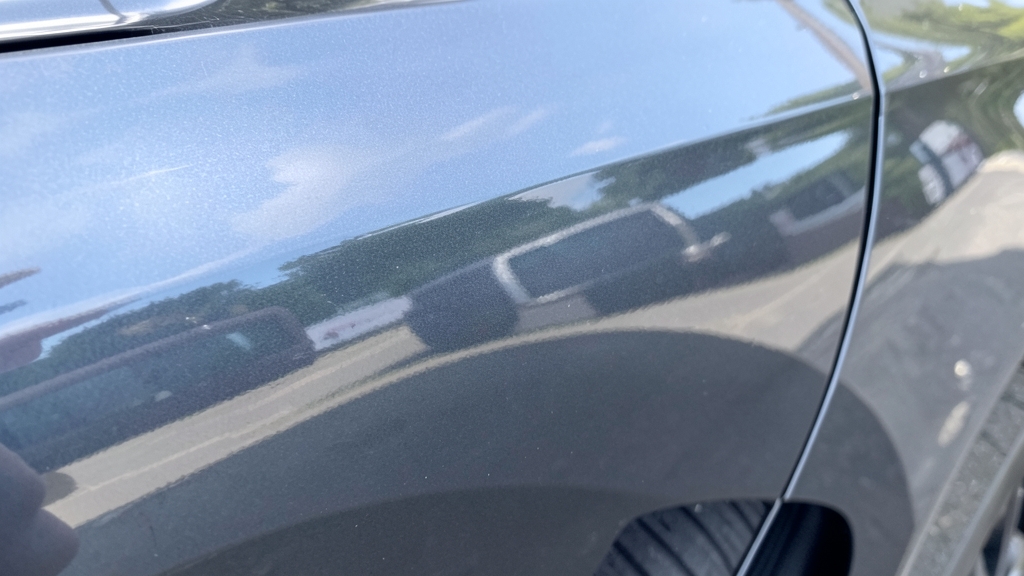
A rushed ceramic coating job can leave your vehicle with more problems than protection. In Commerce City’s harsh climate—where UV rays, road salt, and temperature swings take a toll—cutting corners during application means wasted money and a finish that fails fast. We’ll show you the telltale signs so you can demand quality or walk away.
Why Rushed Ceramic Coatings Fail in Colorado’s Climate
Commerce City’s high-altitude sun and winter road grime accelerate paint damage. A properly applied ceramic coating bonds at the molecular level, but rushed prep skips critical decontamination, leaving oils or residues that prevent adhesion.
Without full paint correction, swirls and oxidation get locked under the coating. In our dry, dusty seasons, these imperfections become glaring under direct sunlight—especially on darker vehicles.
True ceramic coating requires a flawless surface. If the installer didn’t perform paint correction—using a dual-action polisher to remove swirls, water spots, or etching—the coating will amplify every flaw.
Look for holograms or buffer trails in the finish. These are signs of hasty polishing, often done with a single-step compound instead of a multi-stage correction process.
Aggressive polishing without proper technique can thin your clear coat. Always ask for a paint thickness gauge reading before and after correction.
Red Flag #2: Poor Surface Prep and Decontamination
A rushed job often skips iron decontamination or clay bar treatment. Run your fingers over the paint—if it feels gritty, embedded contaminants remain. Ceramic coatings won’t bond to dirty surfaces.
Even a quick IPA wipe-down isn’t enough. Proper prep includes a full wash, clay bar, iron remover, and a final alcohol wipe to ensure zero oils or waxes interfere with adhesion.
Red Flag #3: Uneven or Thin Coating Application
Ceramic coatings must be applied in thin, even layers. If you see streaks, high spots, or uneven sheen, the installer likely rushed the application or used too much product at once.
Check the edges and seams—rushed jobs often leave visible lines where the coating wasn’t blended properly. This is common around door jambs, mirrors, and trim.
| Issue | Appearance | Cause |
|---|---|---|
| High spots | Glossy, raised streaks | Excess product not leveled |
| Low spots | Dull or matte patches | Insufficient product coverage |
| Orange peel texture | Bumpy, dimpled finish | Poor leveling or incorrect technique |
| Edge buildup | Thick coating at seams | Hasty application without blending |
Red Flag #4: Premature Curing or Improper Conditions
Ceramic coatings need 24–48 hours to cure fully. If the installer hands you the keys too soon, the coating may not bond correctly, leading to early failure or water spotting.
Commerce City’s temperature swings can also sabotage curing. Ideal conditions are 60–75°F with low humidity. Ask if the vehicle was cured indoors or in a controlled environment.
Red Flag #5: Lack of Hydrophobic Properties
A properly applied ceramic coating should bead water like a freshly waxed surface—but better. If water sheets off without beading, the coating may be too thin or improperly applied.
Test it yourself: Spritz water on the hood. Tight, round beads indicate a healthy coating. Flat, spreading water means it’s time to revisit the installer.
Perform this test after 48 hours. If beading is weak, the coating may need reapplication or a top-up layer.
How Rushed Jobs Compare to Professional Work
A full-vehicle ceramic coating from our team includes multi-stage paint correction, thorough decontamination, and layered application with proper curing. Rushed jobs cut these steps to save time, sacrificing durability.
In Thornton, Northglenn, or Brighton, we see the same issues: DIY or discount coatings that peel within months. Quality work lasts 2–5 years, even in Colorado’s extreme conditions.
What to Do If You Suspect a Bad Coating Job
First, document the issues with photos. Note areas with poor beading, streaks, or uneven gloss. Then, contact the installer—reputable shops will stand by their work.
If they refuse to fix it, consider a professional inspection. Sometimes, the only solution is stripping the failed coating and starting over with proper prep and application.
Next Steps for a Suspect Coating
- Take clear, well-lit photos of all imperfections
- Test water beading in multiple areas
- Check for streaks or high/low spots in sunlight
- Contact the installer with your findings
- Request a paint thickness gauge reading if available
How to Inspect a Ceramic Coating Job Before Driving Off
A 5-minute inspection can save you from a bad coating—here’s how to do it right.
- 1Check the Finish in Direct Sunlight
Walk around the vehicle and look for swirls, holograms, or uneven gloss. A quality coating should enhance the paint’s depth, not highlight flaws.
- 2Run Your Fingers Over the Paint
Feel for smoothness. Any grit or roughness means decontamination was incomplete. A properly prepped surface should feel like glass.
- 3Test Water Beading
Use a spray bottle to apply water. Tight, round beads indicate a well-applied coating. Flat water means poor application or curing.
- 4Inspect the Edges and Seams
Look closely at door jambs, mirrors, and trim. A rushed job often leaves thick, uneven coating lines or missed spots in these areas.
- 5Ask for Curing Instructions
Confirm the recommended waiting period before washing or exposing the vehicle to rain. Less than 24 hours is a red flag.
Frequently Asked Questions
Can a rushed ceramic coating be fixed in Commerce City?
Yes, but it often requires stripping the failed coating and starting over with proper prep. Some minor issues can be corrected with an additional layer, but severe bonding failures need a full redo. Request a quote to assess the damage.
How long should a ceramic coating last in Colorado’s climate?
A professionally applied ceramic coating should last 2–5 years in Commerce City, depending on maintenance and exposure. Rushed jobs may fail within months due to poor adhesion or thin application.
What’s the difference between a ceramic coating and PPF in Commerce City?
Ceramic coatings provide a sacrificial, hydrophobic layer that enhances gloss and repels contaminants. Paint Protection Film (PPF) is a physical, self-healing barrier against rock chips and scratches. Many vehicles benefit from both—PPF for high-impact areas and ceramic coating for the rest.
Why do some installers in Thornton or Northglenn rush ceramic coating jobs?
Discount shops or inexperienced detailers often prioritize speed over quality to cut costs. Proper ceramic coating is labor-intensive, requiring 1–3 days for full prep, application, and curing. Rushed jobs skip steps to turn over more vehicles.
Does ceramic coating hide swirl marks or scratches?
No—ceramic coatings amplify the existing finish. Swirls, scratches, or oxidation must be corrected through paint correction before application. Otherwise, they’ll be permanently visible under the coating’s gloss.
Is ceramic window tint or wheel coating worth it in Commerce City?
Absolutely. Ceramic window tint blocks UV rays and reduces heat, while wheel and brake caliper coatings protect against brake dust and harsh winter salts. These add-ons extend your vehicle’s protection and are often overlooked in rushed jobs.