Why a Clean Room Matters for Professional Ceramic Coating in Commerce City in Ceramic Coating Commerce City, CO
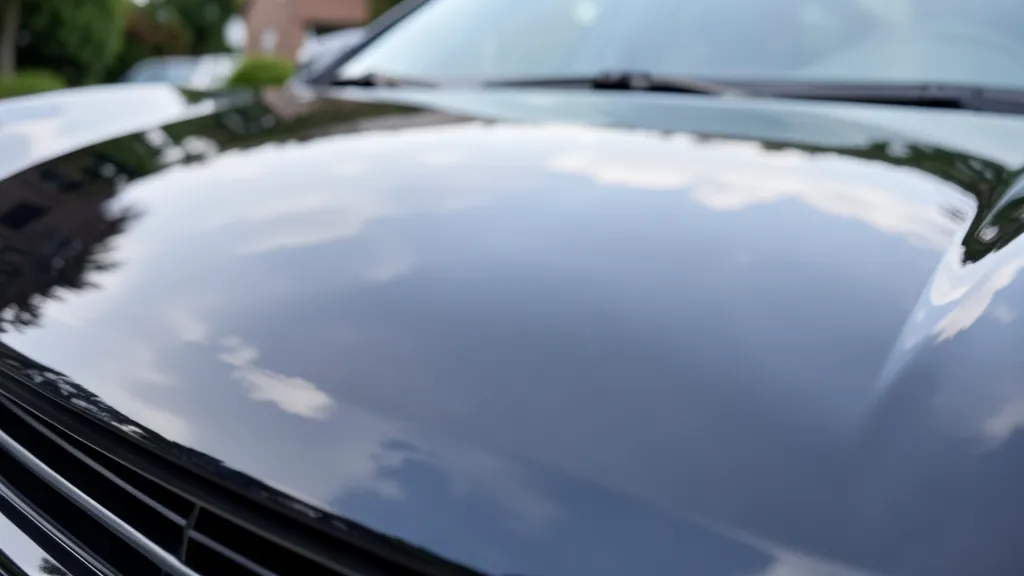
A clean room isn’t just a luxury—it’s the backbone of a flawless ceramic coating application. In Commerce City, where dust and debris can sabotage even the most skilled installations, we rely on controlled environments to deliver showroom-level durability and shine.
What Is a Clean Room in Ceramic Coating?
A clean room is a controlled space with filtered air, minimal dust, and regulated temperature and humidity. For ceramic coatings, this means eliminating contaminants that can bond to the paint before the coating cures.
Even microscopic particles can create imperfections under the coating, leading to premature failure or an uneven finish. Our clean room ensures every surface is pristine before application begins.
Why Commerce City’s Climate Demands a Clean Room
Commerce City’s dry, windy conditions kick up dust, pollen, and industrial debris. Without a clean room, these particles settle on fresh paint during prep, ruining adhesion and clarity.
Seasonal changes—from summer heat to winter dryness—also affect curing times. A controlled environment lets us maintain consistency, whether we’re coating a daily driver in Thornton or a fleet vehicle in Henderson.
Dust trapped under ceramic coating can’t be polished out. It permanently mars the surface, reducing gloss and longevity.
Clean Room vs. Garage Installations: The Real Differences
Garage installations often cut corners on air filtration, leading to visible defects. A clean room, however, uses HEPA filters to capture particles as small as 0.3 microns—smaller than a human hair.
Temperature and humidity control are just as critical. Ceramic coatings cure best at 60–75°F with 40–60% humidity. Our clean room maintains these conditions year-round.
| Factor | Clean Room | Garage |
|---|---|---|
| Air Quality | HEPA-filtered, dust-free | Uncontrolled, high contamination risk |
| Temperature Control | Stable 60–75°F | Varies with outdoor conditions |
| Humidity Control | 40–60% RH | Unregulated, can affect curing |
| Surface Prep Quality | Optimal, no rework | Risk of embedded debris |
| Coating Longevity | 5–10+ years | 2–5 years (if defects form) |
The Step-by-Step Prep Process in a Clean Room
We start with a thorough wash using pH-neutral shampoos to remove surface contaminants. Then, a clay bar treatment lifts embedded grime that washing misses.
Next, paint correction addresses swirl marks, scratches, and oxidation. This step is non-negotiable—ceramic coatings amplify imperfections, not hide them. Only then do we move to the clean room for final prep.
How Contamination Ruins Ceramic Coatings
Dust or oils on the paint prevent the coating from bonding properly. The result? Peeling, hazing, or water spots that no amount of maintenance can fix.
Even fingerprints or residue from improper handling can create weak spots. In a clean room, we wear nitrile gloves and use lint-free wipes to avoid introducing new contaminants.
After paint correction, we let the surface rest for 24 hours in the clean room. This ensures no oils or polish residues interfere with the coating’s adhesion.
Clean Rooms and Other Protective Services
A clean room isn’t just for ceramic coatings. We use it for paint protection film (PPF) installations in Brighton, ceramic window tint in Denver, and even wheel caliper coatings.
For PPF, a dust-free environment prevents bubbles and lifting. For window tint, it ensures crystal-clear visibility and adhesion. The same precision applies to every service we offer.
What to Expect During Your Ceramic Coating Installation
Your vehicle spends 1–2 days in our facility. Day one covers decontamination, paint correction, and prep. Day two is for coating application and curing in the clean room.
We’ll walk you through the process and answer any questions. For fleet or commercial vehicles in Northglenn, we can accommodate multiple units with staggered scheduling.
Maintaining Your Coating After Installation
A clean room ensures a perfect start, but maintenance keeps it that way. Wash your vehicle every 2 weeks with a pH-neutral shampoo and microfiber mitts to avoid scratching.
Avoid automatic car washes with harsh brushes. For extra protection, consider a ceramic boost spray every 6–12 months to refresh hydrophobic properties.
Post-Coating Care Essentials
- Use pH-neutral car shampoo
- Dry with a clean microfiber towel
- Avoid wax or sealants (they’re unnecessary)
- Park in a garage or shaded area to prolong life
- Reapply ceramic boost spray annually
How to Verify a Professional Clean Room Installation
Not all clean rooms are created equal—here’s how to spot a true professional setup.
- 1Check for HEPA Filtration
Ask if the facility uses HEPA filters rated for 0.3-micron particles. This is the gold standard for dust control.
- 2Inspect the Prep Area
A dedicated prep bay with separate washing and polishing stations prevents cross-contamination.
- 3Confirm Temperature and Humidity Controls
The clean room should maintain 60–75°F and 40–60% humidity for optimal curing.
- 4Look for Full Vehicle Coverage
Professionals mask off trim, emblems, and glass to ensure the coating adheres only to painted surfaces.
- 5Ask About Curing Time
Rushed curing leads to weak bonding. A reputable shop will let the coating cure undisturbed for at least 12–24 hours.
Frequently Asked Questions
Does every ceramic coating shop in Commerce City use a clean room?
No. Many shops cut costs by applying coatings in open garages. This increases the risk of dust, debris, or uneven curing, which can shorten the coating’s lifespan or reduce its effectiveness.
How much longer does a ceramic coating last with a clean room installation?
A clean room installation can extend the life of your coating by 2–5 years compared to a non-controlled environment. The lack of contaminants ensures stronger adhesion and better resistance to UV rays, chemicals, and scratches.
Can I apply a ceramic coating at home without a clean room?
While DIY kits exist, they rarely deliver professional results. Without a clean room, dust and improper prep can lead to visible flaws. For best results in Commerce City, leave it to the experts with the right equipment.
What’s the difference between a clean room and a dust-free booth?
A dust-free booth filters air but may not control temperature or humidity. A true clean room regulates all environmental factors, ensuring consistent conditions for both prep and curing. This is critical for high-end coatings.
Do you offer clean room installations for vehicles outside Commerce City?
Yes. We serve customers across Thornton, Northglenn, Brighton, Henderson, and Denver. Our mobile team can also assess your vehicle on-site before bringing it to our clean room facility for the full treatment.
How do I know if my ceramic coating was applied in a clean room?
Inspect the finish under direct sunlight. A clean room installation will have a mirror-like gloss with no visible dust or imperfections. Also, ask the installer for photos or videos of the process—they should be proud to show their setup.