Does Ceramic Coating Really Repel Dirt Better Than Sealants in Commerce City in Ceramic Coating Commerce City, CO?
Drivers in Commerce City know how harsh our climate can be on vehicle paint—sun, road salt, and dust take a toll fast. Ceramic coatings and traditional sealants both promise protection, but their dirt-repelling power isn’t the same. We break down the science and real-world performance so you can choose the right defense for your ride.
How Ceramic Coatings and Sealants Work Differently
Ceramic coatings bond chemically with your vehicle’s clear coat, forming a semi-permanent layer of silicon dioxide (SiO2) or titanium dioxide. This creates a hydrophobic surface that sheds water, dirt, and contaminants far more effectively than wax or sealants.
Sealants, typically synthetic polymers, sit on top of the paint. They fill microscopic imperfections and provide a glossy, protective barrier, but lack the molecular bonding of ceramics. Their hydrophobic properties are noticeably weaker and shorter-lived.
Dirt Repellency: Hydrophobicity in Action
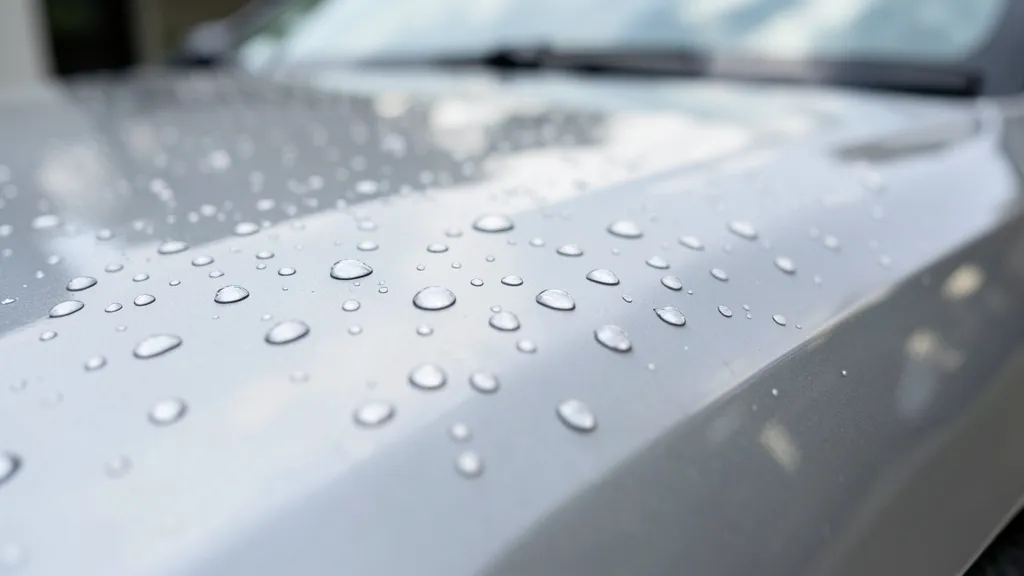
A quality ceramic coating achieves contact angles of 110° or higher, meaning water beads up and rolls off, taking dirt with it. This self-cleaning effect keeps your vehicle looking fresher between washes, especially after Commerce City’s dusty spring winds.
Sealants max out around 80–90°, so water sheets off more slowly. Dirt clings longer, and you’ll notice more water spots. Over time, contaminants embed into the sealant layer, dulling the finish.
| Feature | Ceramic Coating | Sealant |
|---|---|---|
| Hydrophobic Contact Angle | 110°+ | 80–90° |
| Dirt Shedding Ability | Excellent (self-cleaning) | Moderate |
| Longevity | 2–5+ years | 3–6 months |
| UV Resistance | High (prevents oxidation) | Low to moderate |
| Chemical Bond | Yes (with clear coat) | No (surface layer only) |
Durability in Commerce City’s Climate
Our high-altitude sun and temperature swings break down sealants fast. A synthetic sealant may last 4–6 months before needing reapplication, while ceramics endure 2–5 years or more with proper care.
Ceramic coatings also resist UV fading and oxidation, critical for vehicles parked outside in areas like Thornton or Brighton. Sealants offer minimal UV protection, leaving paint vulnerable to long-term damage.
Pair a ceramic coating with Paint Protection Film on high-impact areas like the hood and bumper. This combo defends against rock chips and scratches while maximizing dirt repellency.
Maintenance: Keeping Your Coating or Sealant Performing
Ceramic coatings require less frequent maintenance but benefit from pH-neutral washes and annual inspections. Avoid automatic car washes with harsh brushes—they can degrade the coating prematurely, a common issue for drivers in Denver and Henderson.
Sealants demand reapplication every few months. Each wash strips a little of the protective layer, and contaminants like bird droppings or road tar can etch into the paint if not removed quickly.
Gloss and Aesthetic Impact
Ceramic coatings enhance gloss by filling microscopic paint imperfections, giving a deeper, mirror-like finish. This is especially noticeable on darker vehicles, a favorite among clients in Northglenn and Commerce City.
Sealants add shine too, but the effect is temporary. As the sealant wears, the gloss fades, and swirl marks or oxidation become more visible. Paint correction before applying either product maximizes the visual impact.
Always start with paint correction and polishing before applying a ceramic coating or sealant. Skipping this step traps swirls and defects under the protective layer.
Cost Factors: What Drives the Price?
Ceramic coating costs more upfront due to labor-intensive prep work, including paint correction, decontamination, and multi-layer application. The product’s quality—whether consumer-grade or professional-grade—also affects the price.
Sealants are cheaper initially but add up over time with frequent reapplications. For fleet or commercial vehicles in Commerce City, ceramics often prove more cost-effective long-term despite the higher initial investment.
When to Choose a Sealant Over Ceramic Coating
Sealants make sense for short-term protection, such as preparing a car for sale or renting a vehicle temporarily. They’re also ideal for DIYers who want an easy, affordable way to add gloss and minor protection.
For daily drivers or high-value vehicles in areas like Denver or Brighton, ceramic coatings are the superior choice. They outperform sealants in dirt repellency, durability, and overall paint preservation.
How to Decide Between Ceramic Coating and Sealant for Your Vehicle
Use this step-by-step guide to determine the right protection for your needs.
- 1Assess Your Vehicle’s Condition
Inspect your paint for swirls, scratches, or oxidation. If significant defects exist, plan for paint correction before applying either product.
- 2Consider Your Climate
Commerce City’s UV exposure and road salt demand long-lasting protection. Ceramics excel here, while sealants may struggle to keep up.
- 3Evaluate Your Budget and Timeline
If you need immediate, low-cost protection, a sealant works. For a long-term investment, request a quote for a ceramic coating.
- 4Think About Maintenance
Ceramic coatings require less upkeep but need professional application. Sealants are DIY-friendly but need frequent reapplication.
- 5Factor in Resale Value
A well-maintained ceramic coating can boost your vehicle’s resale value, especially in competitive markets like Thornton or Northglenn.
- 6Consult a Professional
Our team can inspect your vehicle and recommend an option based on your goals, whether it’s full-vehicle ceramic coating, PPF installation, or a hybrid approach.
Frequently Asked Questions
How long does a ceramic coating last in Commerce City’s climate?
With proper care, a professional-grade ceramic coating can last 2–5 years or more in Commerce City. Harsh winters and UV exposure may slightly reduce longevity, but regular washing and maintenance extend its life.
Can I apply a ceramic coating over an existing sealant?
No. Sealants must be fully removed through thorough decontamination and paint correction before applying a ceramic coating. Skipping this step prevents proper bonding and reduces effectiveness.
Do ceramic coatings prevent all scratches and swirls?
Ceramic coatings resist light scratches and swirls but aren’t scratch-proof. For full protection against rock chips or deep scratches, combine a ceramic coating with Paint Protection Film (PPF).
Are ceramic coatings worth it for older vehicles in Commerce City?
Yes, if the paint is in good condition. Ceramic coatings can rejuvenate older vehicles by enhancing gloss and protecting against further damage. However, extensive paint correction may be needed first.
How do I maintain a ceramic coating to maximize dirt repellency?
Wash your vehicle every 1–2 weeks with a pH-neutral car shampoo and use a microfiber wash mitt. Avoid automatic car washes with abrasive brushes, and consider annual inspections to touch up the coating.
Is ceramic window tint as effective as paint ceramic coating for dirt repellency?
Ceramic window tint repels water and contaminants on glass surfaces, but its primary benefit is UV and heat rejection. For paint, a dedicated ceramic coating offers superior dirt repellency and protection.